
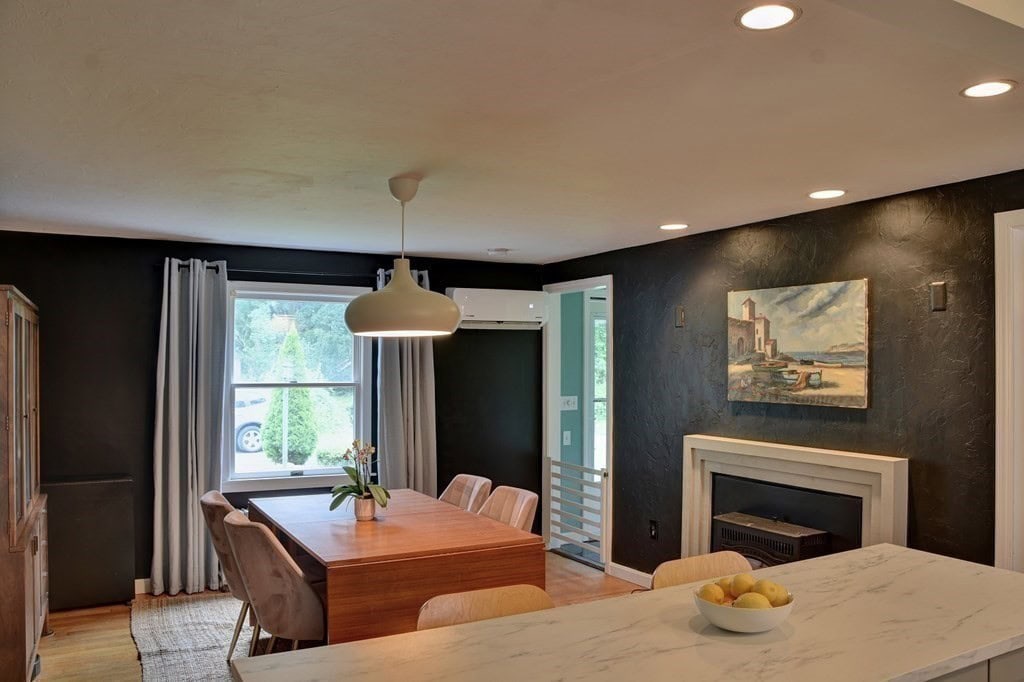
Ever stood in your living room thinking, “I guess this is fine?”. Me too.
A lot of us live in houses filled with things we don’t actively dislike… but also don’t really love. Furniture we bought because it was a good deal. Stuff we inherited. Styles we absorbed from trends, rentals, or previous homes. After a while, it can start to feel like our taste, just because we’re used to them.
But being used to something isn’t the same as really liking it.
And you want to really like your home, right? It should totally be a reflection of YOU.
Would You Still Choose It?
← Back
Start over ↺
Why this happens so often
Most people don’t choose their home style intentionally. It’s usually just happens.
We work with what was already there (builder-grade stuff, previous owners, etc), what was affordable or available at the time (a great deal on a “nice” sofa), what was popular when you first started decorating, what felt expected in a space because that’s what we grew up with or see in other people’s houses.
None of that’s wrong. It’s practical. But it means your house reflects circumstances, not what you really love.
You get used to it and your brain starts to see it all as neutral, but you don’t realize the feelings you’re missing out on when your home ACTUALLY reflects you.

Used-to vs. like: the key difference
Here’s a simple way to separate the two: What you like either gives you energy or relaxes you. It feels right, even if you can’t explain why. What you’re used to feels invisible. You stop noticing it, not because it’s good, but because your brain has adapted.
If something never registers emotionally anymore (good or bad) it’s often a sign of habit, not love.
Common “used to” traps
Let’s take a look at what you already have and see if it really reflects you.
1. Second-hand furniture you kept because it worked
I love some thrifted furniture, but it can be so easy to “settle” for it, even without realizing we’re settling. Think about this: If one of the pieces broke tomorrow, would you try to replace it with something just like it? And do you like the style or are you just grateful it was affordable?
Think about whether you REALLY like it or if you’re just used to it.
2. The farmhouse hangover
So many houses are still carrying design decisions made during peak farmhouse years: shiplap, barn lights, black hardware, gray floors. (Definitely not the ONLY trend, but the most recent one everybody jumped on board with whether it was their style or not.)
If you jumped on a trend, think about this: If this style wasn’t everywhere for a decade, would I still choose it?
Do I like how this looks now, or do I associate it with a time when it felt aspirational?
Trends usually stick around longer than our actual good feelings for them.
3. Builder-grade defaults
Builder-grade choices are designed to offend no one, which usually means they don’t make anybody happy either.
If your house is filled with those, think about cabinets that are just “okay”, lighting you don’t really like, but you haven’t changed, or paint colors you wouldn’t pick out yourself.
Neutral doesn’t mean intentional.
A simple test: would you choose it again?
This is one of the most useful questions you can ask about anything in your home:
If I were starting from an empty room today, would I pick this?
Not “could I live with it.”
Not “is it fine.”
Not “does it match.”
Not “it was a great deal.”
Would you actively choose it? (Don’t think about money here, we’re just thinking about style.
If the answer is no, that doesn’t mean you need to replace it ASAP. It just means it doesn’t define your style, it’s background noise.
Let’s figure out what you actually like
At this point, you might be realizing something uncomfortable but useful: a lot of what’s in your home isn’t something you chose with intention.
That’s okay. This part isn’t about judging past decisions, it’s about making more informed choices from here on.
Let’s focus on noticing what feels right.
Challenge 1: Notice where your attention naturally goes
When you scroll, browse, or walk through someone else’s home (online or in real life), pay attention to what catches your eye.
Not what you think you should like, but what quietly draws you to it. What kinds of rooms do you keep clicking on? What feels calming or energizing? What looks like it would be easy to live with?
Don’t a Pinterest board yet. Just pay attention to patterns.
Challenge 2: Find repeating themes
After a while, you’ll start seeing repetition in colors, contrast, minimal vs maximal, quiet vs bold, etc.
These threads matter more than any single picture. They’re clues to your underlying taste.
This is how style clarity starts…not with labels, but with consistency gravitating towards things.
What to do once you realize you don’t love most of your stuff
This is the part where you might feel stuck. You’re aware now, but action feels like…a lot.
The goal isn’t to replace everything. It’s just to stop making new choices that don’t fit anymore.
Here’s what actually helps.
Stop “doubling down” on old decisions
If you feel meh about something you already have, avoid buying more things to match it.
Don’t repaint around kitchen cabinets you already know aren’t your style (there are other ways to make it work until/if you can replace them).
Pausing prevents your home from drifting further away from your tastes.
Start with low-commitment changes
Don’t plan a renovation yet, just start small moving in the right direction. Start experimenting with accessories, lighting (the lights themselves AND where they are placed), hardware, paint in small rooms where it won’t clash with what you already have.
These tweaks will show you more about your taste without chaining you down to it.
Keep a short “yes list”
Instead of a long wishlist, keep a short list of things you know feel right. Stuff like fabrics you’re consistently drawn to, colors that are calming, etc.
When you aren’t positive about a purchase, check it against that list. If it doesn’t align, skip it (even if it’s on clearance!).

You don’t have to act on everything right away
This part matters more than it sounds. There is nothing wrong with an in-between space. Just take your time to learn your real preferences before spending more money and energy.
The more you notice, the easier future decisions become.
A home that’s intentionally changing (even if it feels too slow) feels better than one where we just hurried up to finish it.
A helpful reframe going forward
Instead of asking:
“What should go here?”
Try:
“What would make this space easier or calmer to live in?”
That question naturally weeds out things you’re just used to and helps you make choices that actually support you.
The subtle shift you’ll start to notice
Once you stop confusing familiarity with preference, buying decisions are easier and your home starts reflecting you, not just your (or other people’s) past.
After a little while, the things you do choose stand out more, because they’re not competing with everything you settled for anymore.
quick summary:
A lot of what’s in your home isn’t there because you love it, but because it was affordable or popular at the time.
Familiarity can feel like preference, even when it isn’t.
To tell the difference, ask whether you’d choose something again today, notice what you linger on in other homes, and look for patterns in what consistently feels calming or supportive to you.
The most helpful next step is to stop reinforcing choices you don’t love, make low-commitment changes, and give yourself time to learn your real preferences before acting.
Style clarity comes from awareness and patience, not big overhauls.
Read on for the details.
